Search This Blog

Saturday, March 19, 2022

3rd Sunday of Lent Year C: Homily by Fr Isaac Chima

 He is a God of mercy and of justice

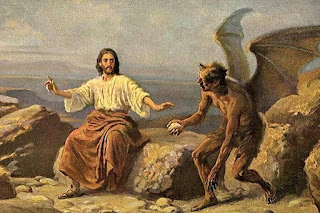
Photo credit: https://www.pinterest.com/pin/lds-and-temples--489625790736707093/

Readings: 1st: Ex 3, 1-8.13-15; Ps 102; 2nd I Cor 10, 1-6. 10-12; Gos: Lk 13, 1-9

Dear friends in Christ, the story of the first reading of today which showed God’s mandate to Moses to go to Egypt to rescue the Israelites demonstrates that we have a God who is not far from us in times of pain and sorrows, a God who listens to our cries of pain and comes to our rescue. The name of God as contained in this reading makes evident these wonderful qualities or nature of our God. He said His name is ‘I am who I Am’. It is a name that shows God as both transcendent and immanent: a God who is in the past, in the present and in the future; a God who is always close to His people.

This wonderful God, through the instrumentality of Moses, brought Israel out of Egypt and settled her in the promised land. To place Israel in the promised land, God displaced, and sometimes times destroyed, many nations: Egyptians, Moabites, Amalekites, Jebusites, Jericho etc. God equally provided the material needs of Israel as they journeyed in the desert to the land of promise. On Israel, God lavished His graces and blessings. What God demanded in return from Israel was obedience, true worship and justice among themselves. Unfortunately, the people of Israel were unable to reciprocate the goodness of God by living according to His demands. Thus, on several occasions, after several severe warnings from the prophets and obstinacy to God’s messages on the part of Israel, God knocked Israel hard on the head, allowing her to suffer several kinds of punishments under powerful neighbours.

Like the people of Israel, God has lavished us with many precious gifts. He also intervened in many difficult times of our lives and rescued us. What God expects from us in return is a life of holiness, of obedience to his commandments and love towards our neighbours. The question is this: are we living up to these expectations?

In the gospel of today, the same line of story is evident. It tells us about the unproductive fig tree and the patience of the farmer. A fig tree bears fruits three times a year and also consumes a lot of soil nutrients wherever it is planted. But the fig tree in the gospel of today has enjoyed the care of the farmer for three good years without bearing fruits. What a patient and caring farmer. Now, as we saw in this parable, the anger of the farmer erupted like fire, and he demanded that the fig tree be cut down. What does this parable tell us? It tells us that the God of love and mercy is also the God of justice; that the God who loves us will also punish us if we fail to reciprocate His love by living up to His expectations; it tells us that to whom much is given, much is expected. Dear friends, God has given us life, He has given us good health and wonderful opportunities in this world, if we fail to make good use of these precious gifts for the praise of His name, we attract His anger.

It was the intervention or supplication of the servant of the farmer in today’s gospel that saved the life of the fig tree for another one year. So, a second chance was given to the fig tree to right its wrongs. Dear friends, our God is a God who never fails to give a second chance to his children. This Lent may be another second chance given to us by God to make right our past wrongs, and to start bearing fruits of love, compassion, peace, help to those in need; a chance to stop all forms of impurity, unforgiveness, lustful desires, and hatred towards others.

It is, however, sad that when God gives us a second chance, we take it as an outcome of our smartness. When people do bad and get away with it, they praise themselves for being smart or for having strong connections. Dear friends, it is good to know that those times we thought we were smart, those times we thought our strong connections are working, God was actually giving us another chance to stop evil. We must know that this other chance has a limit. The mercy of God tarries, but the more it tarries, the more severe our punishment becomes.

In the opening part of the Gospel of today, Jesus informed His audience that if they fail to repent of their evil ways, they will perish. Many people may find it difficult to believe that a merciful God used such a harsh tone, but the reality is that this God of mercy is also the God of justice. In His justice, He punishes us when we fail to make good use of His patience and His ocean of mercy.

In the second reading, Paul pointed to Israel’s ordeal in the desert and reminded the people of Corinth that many of their fathers died in the desert because of their failure to live lives pleasing to God. Then, he gave them - and us as well - this all-important lesson that the story of the failures of Israel in the desert was written as a warning to us so that we do not make the same mistakes they made. He said, “Now these things are warnings for us, not to desire evil as they did, nor grumble as some of them did and were destroyed by the destroyer.” He continued, “Now, these things happened to them as a warning, but they were written down for our instruction, upon whom the end of the ages has come.”

Dear friends, we would not like to make the same mistakes of the people of the past in their relationship with God. We would not like to be punished by God. So, let us make good use of God’s patience (our second chance) this Lent. Let us drink from the ocean of God’s mercy, purifying ourselves of all sins, so that the justice and punishment of God do not catch up with us.

Happy Sunday to you and your family.

Fr Isaac Chinemerem Chima


Saturday, March 12, 2022

2nd Sunday of Lent Year C: Homily by Fr. Isaac Chima

 Beatific Vision: Reward for listening and obeying Christ’s voice

Photo Credit: https://images.fineartamerica.com/images/artworkimages/mediumlarge/1/church-of-the-savior-on-spilled-blood-vladi-alon.jpg

Readings: 1st: Gen 15, 5-12. 17; Ps 26; 2nd Phil 3, 17. 4, 1; Gos: Lk 9, 28-36

Dear friends in Christ, the gospel of today presents us a glimpse of the glory of Easter and the splendor of heaven through the transfiguration experience. I was thrilled by the reaction of Peter after beholding the glory of Christ and the magnificent beauty of the heavenly home. He wished to remain on that mountain forever, enjoying the sight of the glory of God; he wished the experience continued unending; he forgot his family, friends, and the rest of the disciples, all he wanted was God’s glory. But let us remember that what he saw was just a glimpse of that glory that awaits all of us.

Dear friends, in reality, what no eye has seen, no ear has heard, and no heart has imagined is what God has prepared for those who love him (1 Cor 2:9).

Reacting to the request of Peter to stay on the mountain forever enjoying the vision of heaven, the voice of God the Father came from the cloud and said, “this is my beloved Son, listen to Him.”  That voice of the Father simply informed Peter that if he wants to enter the glory of heaven whose glimpse he beheld on the mountain, he must listen to the voice of Jesus Christ and follow His teachings.

Hence, my dear friends, listening to the voice of Jesus and doing what He commands us have become the conditions for inheriting the beautiful beatific vision which lies at the end of our earthly existence. Jesus went to the mountain in the gospel of today to discuss with Moses and Elijah the type of death he would have to die for the salvation of the world.

Every lent, the voice of Christ, through the church, calls us to take a break from the normal activities of life and dedicate some time to prayer, fasting and arms-giving so that our lives will be renewed and prepared for inheriting the glorious home. It is the voice that is calling us this lent to deny ourselves of some comforts and pleasures in order to share in the suffering of Christ and that of others. It is the voice that is calling us to love more, to forgive more, to say no to immoral desires. It is the voice that is calling us this Lent to say no to drunkenness, lies, gossips, pride, hatred, and other sins. In summary, this voice is calling us to the way of the cross, to take up our cross and follow Christ.

If we listen to this voice and follow its demands, if we carry our cross and follow where this voice is leading us, that glory which Peter beheld on the mountain will be ours at the end of our lives. So, between us and the glory of heaven lies the demand, the duty to listen and obey the voice of Jesus.

In the first reading, God made a covenant with Abraham. In that covenant, God promised Abraham that his descendants will be like the number of the stars in the skies. But, between that wonderful promise to Abraham and its fulfilment lay Abraham’s task of obeying every command from God and accepting their attendant hardships. It was obedience to the God’s commands, even in the most difficult and uncertain moments, that helped Abraham to reach what God prepared for him.

Dear friends, a careful look at the covenant between Abraham and God, and the actual situation of Abraham at the time of the covenant will show us the level of trust Abraham had in God. At the time of the covenant, both Abraham and his wife were already old and had no child (his wife had passed the age of childbearing), but they believed in the faithfulness of God. Of course, many people would look at the choice made by Abraham to remain faithful to God as a foolish choice, but his obedience to the voice of God paid off. Same way, Christians who trust in God, Christians who have decided to obey the voice of Jesus this Lent and to follow the recommendation of the church for a Lenten season may appear as failures in the eyes of men, but, in reality, they will be blessed by God.

In the second reading, St Paul informs us that there are many voices in the world that have the goal of distracting Christians from listening to the voice of Christ. He tells us that those who promote these contrary voices have already made themselves enemies of the cross of Christ and, therefore, they teach things that are against the teachings of Jesus as the standard for our world. According to St Paul, these people glory in their shame, with their minds set on earthly things. They teach people to adopt antilife policies and immoral lifestyle as best ways to enjoy life. Their project is always to promote things that are against the Christian life. These voices are heard everyday in our world. Each day, these voices want to rise higher above the calm voice of Jesus, they have misled many people.

However, my dear people, St Paul reminds us that we are citizens of heaven. It will, therefore, be unfortunate if those who are hoping to go to heaven are obeying the voices that contradict the teachings that come from heaven. Those who hope to enjoy the beautiful home of heaven, that home which Peter saw on the mountain, should listen to the voice of Jesus who has come down from heaven and obey it; this is our task this lent. Let us pray to listen obediently to the voice of Jesus and to shun all voices that contradict the teachings of Jesus.

Have a blessed Sunday.

Fr. Isaac Chinemerem Chima

Saturday, March 5, 2022

1st Sunday of Lent Year C: Homily by Fr Isaac Chima

 Temptation: knowing when and how the devil strikes

Readings (1st: Deut 26, 4-10; Ps: 90; 2nd: Rom 10, 8-13; Gos: Lk 4, 1-13)

Dear friends in Christ, the church ushers us into the period of Lent every year with the story of the temptation of Jesus. With this story, the church informs us that as we embark on the forty days journey of prayer, fasting and arms-giving to suffer with Christ in order to rise with Him, the devil will lurk around us to distract us from our mission, just as he attempted to distract Jesus from His God-given mission.

One of the problems of our time is the inability to realize when we are being tempted by the devil. So, the temptation of Jesus teaches us the various avenues the devil can take while tempting us, and the best ways to conquer him using the examples of Jesus. Let us, therefore, treat the temptation of Jesus in the desert step by step.

In the first temptation, the devil asked Jesus to turn stones into bread. The devil knew that Jesus was very hungry after fasting for forty days, so, he came with the suggestion of what Christ needed at that time. Dear friends, the devil will not tempt you with what you don’t need, he will always come with the idea of helping you to fill in the void in your life.

In this first temptation, the devil was like telling Jesus: “look, your God has failed to provide your needs. Why still wait upon him? Use what you have and get what you need.” This is a temptation to lose confidence in God’s providence for us; a call to do things our own way anytime we lack material means of survival; a call to rate God’s care for us only by our material success. It is a temptation that touches on man’s relationship with material things; that push to make the satisfaction of material needs the priority in every relationship.

We see this kind of temptation every day of our life. We see or feel it when that voice tells us that the only priority of our life should be the provision of our material needs by all means. To many of our girls, that voice tells them: “use your body to provide your material needs, hunger will kill you if you wait on God.” To our young boys, it tells them: “all your mates are making it through yahoo plus, join them, the end will surely justify the means, people will celebrate you.” To our businessmen, it tells them: “inflate the prices of your goods, you have the market control; make your gains, this is your time; prudence is for the weak minds, God’s time will never come.” To our politicians, it tells them: “join their evil groups and win the position first, being a good man will not help you.”

We also feel this temptation when that voice tells us that we have all it takes to enrich or satisfy ourselves materially, so, we don’t need to believe in God. In fact, that voice tells some people that God does not exist, since they have all their material needs. This temptation has led many people who are materially comfortable to think that faith in God is absurd. In this type of temptation, the devil aims to make us materially bound.

But the response of Christ has a lesson for us. Jesus reminded the devil that our mission in this world in not just that of the satisfaction of the material needs of our bodies, but that we must tend towards heaven in all that we do. Hence, we must satisfy our material needs according to the teachings of the Word of God.

In the second temptation, the devil told Jesus that all the riches of the world belong to him and that he will give them to Jesus if he (Jesus) bows down and worships him. Friends, the devil is the father of all lies. In this temptation, he was laying claims on things that do not belong to him. We know that God is the author of all that is good and the creator of the universe. Nothing good comes from the devil; what comes from the devil only appears to be good, but they are full of evil. So, in this temptation is the call to compromise faith in God in order to be rewarded. It is a temptation that hinges on the thirst or lust for power and control. It is a temptation to throw away good morals and Christian principles or teachings and, then, follow the whims of the world in order to be relevant in the world or be accepted by others. We have seen this type of temptation in many programmes of this world. It is true that many activities or programmes in our world are geared towards luring Christians to renounce their teachings in order to get financial grants and aids, business connections and friends, recognition, promotion and power in the society etc. Many people go to the extent of mocking Christians who say ‘no’ to the fantasies of this world.

The response of Jesus to this second temptation showed us that our allegiance in this world is only to God, and, therefore, we should not bow down to any other spiritual or worldly force.

In the third temptation, the devil asked Jesus to jump down from the high mountain since God will help him. To back up his claims, he quoted the bible. It is good we know that the devil can also substantiate his demands from us or his claims with a biblical citation. In this temptation, the devil wanted Christ to accept cheap popularity and false security in God. It is a temptation that touches our relationship and faith in God. In this temptation, there is a suggestion to have a false or perverse relationship with God. A kind of relationship that makes God an idol in our hands, something we can control the way we like. The devil asked Jesus to take an action that will make God indebted to him. It is a temptation of putting God to test. We see this type of temptation when that voice tells us that since we believe in God, no harm will come to us even if we are careless with our lives; it comes when that voice tells you that you don’t need to study for exams, that all you need to do is to pray and you will surely pass your exams; we feel this temptation when that voice tells us not to plan our lives very well, not to take care of our health, not to think of our future because God is our father and he will do everything for us. Dear friends, we are to collaborate with God by not putting ourselves at risk.

The devil is very wicked. When he succeeds in pushing people to have false security in God, he stands by the side and waits for them to fail. When then eventually fail, he will creep out of his hole and tell them: “You see, the God whom you hoped in has failed you, He is not capable of saving you; come, I will help you.”

With the story of how God rescued Israel, the first reading of today tells us that God does not disappoint those who have genuine faith in Him. We have a God who will not disappoint nor reject us in times of trials and persecutions. He will always intervene at His own time and rescue us if we repose our hope and faith in Him.

The second reading of today comes with an explicit affirmation of that assurance of God’s help for those who trust in Him. It said, “No one who believes in Him will be put to shame… everyone who calls upon the name of the Lord will be saved.” Thus, in this Mass, let us build our trust in God, and always have recourse to Him in times of temptation.

Peace be with you. Have a blessed Sunday

Fr. Isaac Chinemerem Chima 


Saturday, February 26, 2022

8th Sunday Year C: Homily by Fr Isaac Chima

 Be formed before forming others


Readings: 1st: Sir 27:5–8; Ps: 91; 2nd: 1 Cor 15, 54–58; Gosp: Lk 6:39–45

Dear friends in Christ, two weeks ago, we started reading St Luke’s account of the beatitudes - a series of teaching comprising blessings and woes, which Jesus taught his disciples at the foot of the mountain. The beatitudes were intended to show the disciples the way that leads to happiness and the way that leads to misery. Gradually, as we have seen from last week Sunday, Jesus extended this teaching to modes of conduct for the disciples, and all of us as well.

In the gospel reading of last week, Jesus tasked his disciples to treat their enemies with love, mercy and compassion. He also instructed them not to judge nor condemn others. Then, in the gospel of today, Jesus taught his disciples more reasons why they should love their enemies, treat them with patience, mercy, and compassion, and why they are not to judge or condemn other people. Jesus did this by using three images drawn from everyday life.

The first image came with this rhetorical double-barreled question: can a blind person guide a blind person? Will not both fall into a pit? The answer to the first question is ‘No’, a blind person cannot lead a blind person. To the second question, the answer is ‘Yes’, because if a blind man leads a blind man, they will fall into a pit.

With these two rhetorical questions, Jesus was teaching his disciples that they would not be able to successfully lead other people out of their errors or sins, or to correct people in their mistakes unless they have allowed themselves to be transformed by what they have learnt from Him and what they have seen Him do. What does this tell us, dear friends?

Here, Jesus is challenging all of us as teachers, pastors, parents, guardians, leaders and whatever influencing role we have in the lives of others to first of all be motivated and influenced by His teachings before we set out to guide, to correct and to teach others. Dear friends, if we do not allow ourselves to be influenced and transformed by Jesus and His teachings, if we are not well convinced by the type of life Jesus is calling us to live, if we do not choose Jesus as the way in our life, then, telling others about the Christian life would be like the blind leading the blind.

Therefore, dear friends, we must allow our lives to be transformed by Jesus and to live a good sacramental life before we go out to correct and teach others. Also, we should learn about our faith: learn what the church teaches about the sacraments and what the scripture teaches, because we cannot be good disciples of Christ unless we have learnt from Christ.

Secondly, Jesus used another beautiful illustration to teach his disciple what people often do when they judge or condemn other people. He did it with these questions: "Why do you notice the splinter in your brothers' eye, but do not perceive the wooden beam in your own? How can you say to your brother, "Brother, let me remove that splinter in your eye", when you do not even notice the wooden beam in your own eye?", (Luke 6:41-42).

With these questions, Jesus touched the tendency inherent in all of us, that is, that tendency to notice the mistakes and wrongs of other people while turning a blind eye to greater mistakes in us; that tendency of exaggerating the evil in other people and overlooking the evil in us or, perhaps, with a view of hiding our own evils. Dear friends, have you not noticed that it is easy to find fault and mistakes in others?

With this second image, Jesus warned His disciples and all of us not to be the kind of disciples who are quick to point out the faults in the lives of other people but are too slow to recognize the sins in their own lives. In a special way, Jesus, invites us to be reformed and transformed before we reform others. He warned us not to be hypocrites as we set out to correct others in their mistakes. There should be no discrepancies between what we say and what we do. Thus, before talking about the sins of others, we should first of all look at ourselves in the mirror to know how we truly are.

Furthermore, Jesus used another beautiful image to teach His disciples why it is good to be transformed from within before setting out to transform others. The reason is that it is impossible for one to transmit what he doesn’t have, but it is very easy for good things to flow out of good people. He said’ "A good tree does not bear rotten fruit, nor does a rotten tree bear good fruit. For every tree is known by its own fruit… A good person out of the store of goodness in his heart produces good, but an evil person out of a store of evil produces evil; for from the fullness of the heart the mouth speaks."

With this last picture, Jesus teaches us that just as a good tree bears good fruit and a bad tree bears bad fruit, so also a good person produces good, and an evil person produces evil. In other words, if we choose to live a life rooted in Him, the outcome would be the good fruits of kindness, gentleness, peace, mercy, compassion, faith, hope and love towards others. But when we choose to live outside the teachings of Christ, our lives will never contribute to the good of others nor to the edification of the society, because we cannot give what we do not have.

Saturday, February 19, 2022

7th Sunday Year C: Homily by Fr Isaac Chima

 The true identity of those redeemed by Christ


Readings: 1st1 Sam 26:2, 7-9, 12-23; Ps 103; 2ndI Cor 15:45-49; Gosp: Lk 6:27-38

Dear brothers and sisters in Christ, one of the problems we see among Christians is the inability to remain faithful to the Christian identity in words and in actions. It appears many Christians are forgetting those distinguishing qualities which Christians are known for. In the Acts of the Apostles, the people Antioch identified the follows of Christ by the way they acted in the society and the way treated themselves. It has, however, become difficult for present day Christians to distinguish themselves from those who don’t know Christ. Often, many Christians are at the forefront of many unchristian behaviours in the world. It has also been noticed that many Christians join in the promotion of inhuman and anti-life policies, as well as the promotion of all manner of evil and sinful practices in the world. Some Christians support their unholy actions in the society with the argument that the church and the state must be separated. The people who hold on to this argument, however, refuse to understand that the teachings of the church are solidly supported by moral laws and natural laws and, as such, are for the wellbeing of the society.

To draw our attention to the difference that should exist between the lives of those who have accepted Christ and the lives of those who are not yet Christians, the church presents us the beautiful readings of this Sunday. Through these readings, the church reminds us of the essential virtues and elements of the Christian life. They include mercy and compassion, love of God and neighbour, self-control and appreciation of values, moral responsibility, awareness of sin and the sense of the sacred.

In the second reading of today, St Paul made a beautiful comparison between Christ and Adam. According to Paul, there should be a progression from the type of life received from Adam to the life received from Christ by those who have been redeemed through baptism in Christ. So, in this reading, St Paul is calling for a significant difference between the attitudes of those who have accepted Christ and those who have not accepted Christ. Those who are not Christians are still tied to things that are below, that is, to the dust, but those who have been redeemed by Christ have been elevated by a life-giving spirit, they are to look towards heaven – to things that are above. He said, “As was the man of dust (Adam), so are those who are of the dust; and as is the man of heaven (Christ), so are those who are of heaven.”  

Earlier on, St Paul had informed Christians that anyone who have been baptized in Christ have become a new creature, the old life has passed away, and the new life has begun. In many places St Paul made his audience to understand that the life of those in Christ have been won by grace, unlike those who are still living under the bondage of the law and the old life of sin.

In the gospel of today, Jesus gave us a beautiful sermon on the essential qualities that should be the identity - the differential factor - of those who are Christians. He said, “But to you who are listening I say: Love your enemies, do good to those who hate you, bless those who curse you, pray for those who abuse you. If someone slaps you on one cheek, turn to them the other also. If someone takes your coat, do not withhold your shirt from them.” So, Christ is saying that while the lives of non-Christians are often guided by vengeance and retributive justice, the life of Christians should rather reflect love, forgiveness, mercy, and compassion. No Christian should repay evil for evil because vengeance is God’s.

Furthermore, Christ instructed that the lives of Christians should reflect generosity to everyone, love to everyone, especially to those who do not merit their love. Christians are not to pass judgement on people nor condemn people. He said, “Give to everyone who asks you, and if anyone takes what belongs to you, do not demand it back…Do not judge, and you will not be judged. Do not condemn, and you will not be condemned. Forgive, and you will be forgiven.”

Dear friends, these virtues required by Christ for every Christian are difficult to live out; some people may see them as impossible, but Christ demonstrated how possible they are by being an example for us on the cross. Therefore, whenever we look at the Cross and any time we do the sign of the Cross, we are reminded that the Christian life demanded by Christ is very possible.

The first reading of today also showed us the possibility of living the type of life required by Christ. In this reading, David had every opportunity to end his sorrows by killing his enemy, Saul, but he refused to yield to vengeance, even when his friend urged him to do it. While David represented that elevated life which every Christian should live, Saul represented that low life of the unchristian mind which seeks to kill its enemy.

Dear friends, the church invites us to emulate what David did in the first reading. We should stop looking for opportunities to revenge against our offenders. We should stop praying for opportunities to inflict pain on our offenders. We must not bow to pressures from circumstances or from our colleagues to do evil. This is because, two wrongs can never make one right. Reprisal attack or revenge may hurt one even more than it will hurt one’s offender. But Forgiveness heals all wounds and wipes all scars away.

Let us, therefore, pray in this Holy Mass to remain faithful to our identity as Christians, to remain steadfast to that type of life required of us by Christ.

Peace be with you. Happy Sunday.

Fr Isaac Chinemerem Chima


Saturday, February 12, 2022

6th Sunday Year C: Homily by Fr Isaac Chima

 The blessedness of trusting in God.

image from: 00c72ffa6853db225b3af1444cfdc513.jpg (640×640) (pinimg.com)

Readings: 1st: Jer. 17:5-8; Ps: 1:1-6; 2ndI Cor 15:12.16-20; Gosp. Lk 6:17.20-26

Dear friends in Christ, in this Holy Mass of the 6th Sunday of the year, the Church invites us to re-examine our relationship with God once again to know the level of trust we have in this God of ours. The church also informs us that we are totally safe when we place our trust in God and in His Son Jesus Christ. Truly speaking, trust is always one of the basic factors of every true relationship. Whenever trust is lacking in a relationship, such relationship is as good as dead.  

Since we are social animals, people who need the other to survive, trusting the other and ourselves also is one of the keys to a stable relationship. When we trust the other, we give room to a healthy relationship. Trust is a firm belief in the reliability, truth, or ability of someone or something. So, to trust is to establish a relationship with the reality that is trusted. Furthermore, when one trusts in himself, he challenges himself to rise beyond the ordinary. However, trust is a very delicate thing, and it has always been a big risk putting a total trust in human strengths and in other human beings. Total reliance on human beings has led many people to disappointments and a total feeling of lack of trust.

Therefore, today, the church reminds us that we have a friend who is more than just a friend, a friend who is reliable and cannot fail those who trust in Him, a friend in whose company we do not have to be afraid of betrayal of trust. This friend is God.

To draw our attention to this friend, the church gives us the readings of today which made comparisons between the fate of those who trust in God and those who trust in human beings or their own abilities alone.

Today’s first reading from the book of Jeremiah reminds us of the consequences of trusting solely on our abilities, on our human strength and on human beings. It says, “Cursed is the one who trusts in human beings, who seeks his strength in flesh, whose heart turns away from the Lord.” “But blessed is the man who trusts in the Lord, whose trust is the Lord. He is like the tree planted by the waterside; it does not cease to bear fruits”. This reading simply reminds us of the risk we face when we cede the place of God in our lives to human beings, and what we stand to gain when we hand over our life, our plans and our purposes to God. This reading challenges us to ask ourselves this crucial question: In what or in whom have I put my trust? Is it in God, in Man or in material things? However, trusting in God is not a call to stop believing in what we can do for ourselves, rather, it is a call to recognize that it is God who sustains, confirms and blesses our ways and efforts.

To place one’s trust in God is a great source of blessing and interior joy. For this reason, the psalmist reminds us that: “Those who trust in the Lord are like mount Zion that can never be shaken” (Ps 125:1) In the same line, the psalm of today gives a very wonderful description of the blessings that come to those who put their trust in God. It says: Blessed is the man who trusts in the Lord. He is like a tree planted along streams of water, which bears fruit in his time: his leaves do not wither, and everything he does is successful.

The gospel of today presents us St Luke’s version of the beatitudes. Beatitudes means blessedness. The gospel of St Matthew has another version of the beatitudes. We may have noticed that while that of St Matthew is called the Sermon on the mount, Luke’s version was given on the plain, and could be called the Sermon on the plain. Luke’s and Matthews versions of the beatitudes present little differences in number and style. But we are not going to dwell on those variations here.

So, in his own version, Luke pronounced certain groups of people as blessed and some others as accursed. He said: blessed are the poor, the hungry, those who cry and those who are persecuted for the sake of Christ. These categories of people Luke pronounced as blessed are the opposites of those the world believes to be actually happy and fortunate. One may then wonder why Luke chose to pronounce such people as blessed. The reason is that Luke believes that material poverty leads to greater detachment from the things of this world, thereby allowing people to attach themselves to spiritual values, and then focusing only on God. This takes us back to the topic of trust in God as proposed by Jeremiah in the first reading. So, the poor, the hungry, the weeping, and the persecuted are blessed because God is their only Hope for survival, they put their entire trust in God.

Luke, then, affirms that material riches and success can lead people to trust only in themselves, refusing to acknowledge God’s providence and grace. In that case, Luke announced woes to those who have no place for God in their success stories, those who have ceded the place of God to human beings and material possessions. They are indeed accursed for not believing that it is God who provides.

In the second reading of today, St Paul also hints on the theme of trust in God. He urged Christians not to allow their faith and hope to end in this world and in material things, but that the reality of the resurrection of Christ should be their conviction that there exists a life after this worldly existence. If there is life after this world, we should, then, be filled with trust and hope in God who will raise us on the last day and reward us with eternal bliss in heaven. 

Peace be with you

Happy Sunday to you

Fr. Isaac Chinemerem Chima

Saturday, February 5, 2022

5th Sunday Year C: Homily by Fr Isaac Chima

 Positive response to God’s initiative despite weaknesses and predicaments


Readings: (1st: Is 6, 1-8; Ps: 137; 2nd: I Cor 15, 1-11; Gos: Lk 5, 1-11)

Dear friends in Christ, the message of the readings of today is a continuation of the message of the readings of last Sunday. Last Sunday, the church informed us that God has chosen us to carry His message to our friends, families, societies, and the entire world. The Church also informed us to be ready to face persecutions, rejections, insults, and all types of negative reactions from our audience with the courage of a prophet as we speak in the name of God. This Sunday, the church invites us to reflect on those things that make us feel unready of the mission to speak in the name God to our audience, those past experiences that make us feel unworthy to serve God, those shortcomings that make us feel ashamed or shy of speaking in the name of God to our friends, those past misdeeds that make it difficult for us to stand in the presence of our friends and  proclaim the glory of our God, and those weaknesses that make us give excuses whenever we are called to serve God and humanity. 

Isaiah, Paul, and Peter that were mentioned in the three readings of today have some important messages for us as regards our approach to past misdeeds. They teach us how best to answer the call of God, especially when we feel unworthy of such call, and how to deal with the weaknesses that lead us to make excuses whenever we are called to perform a duty for God and humanity.

The first reading opens to us the call of the prophet Isaiah. The prophet Isaiah was called to speak to the kingdom of Judah that was about to be destroyed by the Babylonians. A journey in the book of Isaiah will tell us that it was the sinful lifestyle of the people of Judah the attracted the wrath of God. From the exclamation of Isaiah when he saw the glory of God as we read today, he was not free from the sinful practices of his time. He said, “there is no hope for me, I am doomed because every word that passes my lips is sinful, and I live among sinful people.” (Is 6:5) However, with the acknowledgment of his sinfulness, God cleansed him and, immediately, he accepted the mission of God to proclaim His Word to house of Judah. 

We also saw the same line of story in the life of St Paul from the second reading of today. In this reading, St Paul informed us that if all he did before he was called by Christ were to be counted for him, he would not have been worthy to answer an apostle. As we know, St Paul was a famous persecutor of the disciples of Christ, but when the hand of Christ touched him, he submitted himself whole and entire to Christ and, then, accepted the mission to preach in the name of Jesus to the nations.

So, the lives of Isaiah and Paul challenge anyone who is being hunted by his past misdeeds. They are challenging anyone whose past and present misdeeds are preventing from drawing close to God; they challenge those who feel unworthy to serve God because of the way they have lived their lives in the past. Actually, our God is Holy, before Him we are all imperfect beings, before Him we stand no chance to be called holy. But the examples of Isaiah and Paul tell us that we have a God who will not despise a broken and a contrite heart. A God who is full of mercy and ready to forgive and accept us. Therefore, they tell us to open our hearts to God and He will make us clean, and also make us worthy to proclaim His message. Dear friends, I don’t know your past experiences; I don’t know if there are things that make you feel unworthy of bearing the sacred message of God; I don’t know if there are things that at making you feel unworthy of serving God; but what I know is that if you open yourself for a divine touch today, God will cleanse you and make you worthy of His mission.

While we saw the same line of the acknowledgment of unworthiness in carrying the divine message in the call of Peter in the gospel of today, Peter’s encounter with Christ showed us another challenge we do face when calls to serve God and humanity come to us. In the gospel, the call of Jesus came to Peter to offer His boat for service to God and Humanity. Ordinarily, since Peter had toiled all night without catching any fish, he would have been angry to be bothered again by the request of Christ to offer his boat. He would have angrily told Christ to look for another boat. He would have given excuses why his boat should not be used by Christ. But, dear friends, Peter refused to give excuses to the call of Christ to allow his resources to be used to promote the kingdom of God and the wellbeing of humanity despite the predicaments he faced all night in the sea.  

Dear friends, Peter challenges all of us who give countless reasons for not accepting the call to serve God and humanity, those who have ready-made answers to refuse any initiative that invites them either to serve God and humanity or to allow their resources to be used to help the needy or to promote the kingdom of God. The gospel tells us to always say ‘Yes’ to God’s initiative to use us, our time, our talents and our resources for the wellbeing of others and for the establishment of His kingdom on earth despite the discomfort that we may face.  So, to those who are thinking that their resources will not be enough to be shared with others, Christ is assuring you that He will show you where to make a deep catch, and that He will make you not just a good fisher man, but a fisher of men.

Dear friends, let us not be afraid to open ourselves to God to be cleansed of our misdeeds. Let us not feel unworthy of the call to speak in God’s name. Let us not give excuses to the divine initiative that calls us to use our resources to foster the wellbeing of others and to help in the promotion and edification of God’s kingdom on earth.

Happy Sunday

Fr. Isaac Chinemerem Chima.

#5thSundayYearC #FifthSundayYearC #RespondingPositivelyToGod’sCall #FadaIsaacChima #FrIsaacChima #IsaacChima #ChimaIsaacChinemerem


  19 th Sunday, Year A: Homily by Fr Isaac Chima Theme: Fix Your Gaze Always on Jesus Readings: 1 Kgs 19:9a, 11–13a; Rom 9:1–5; Mt 14:...